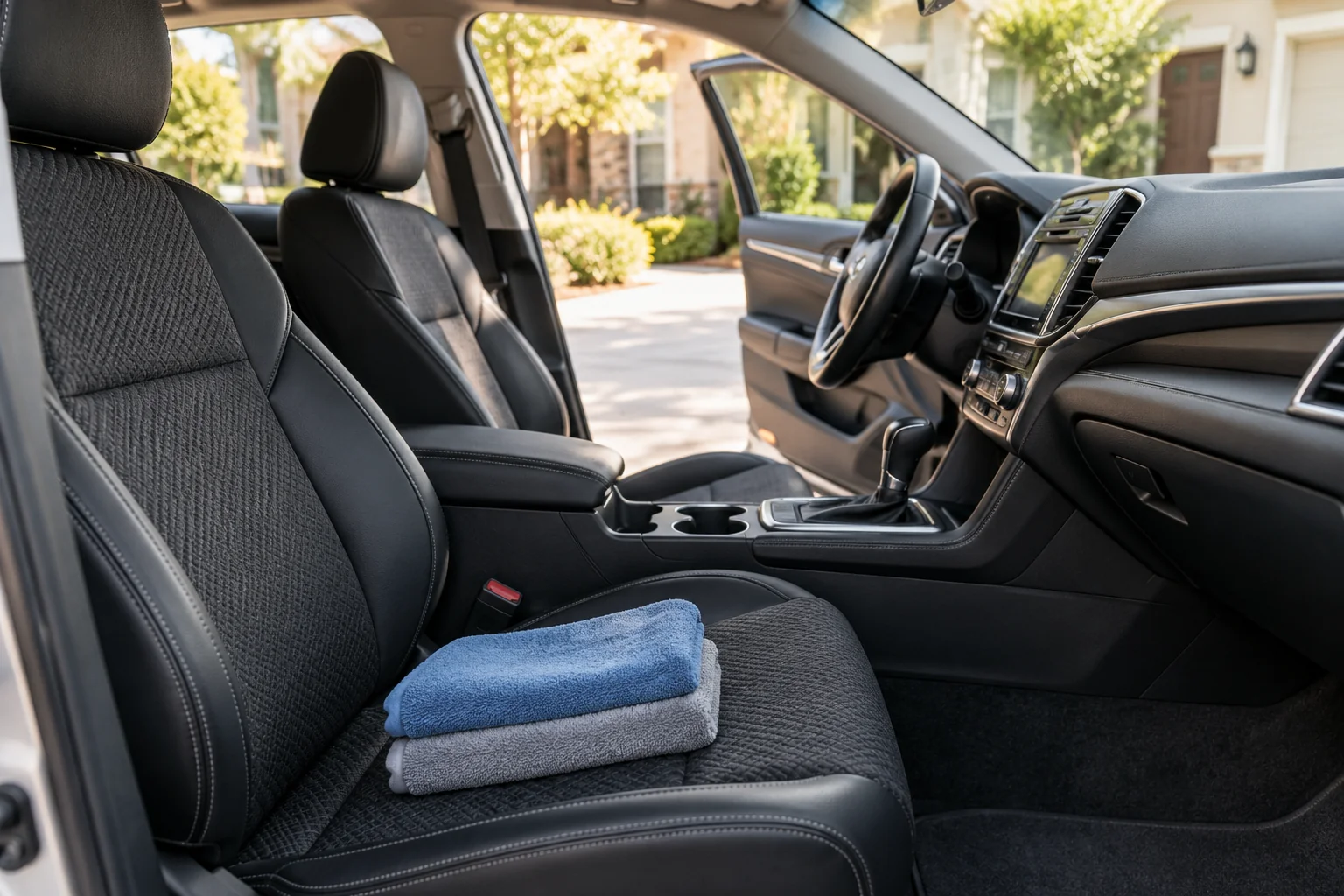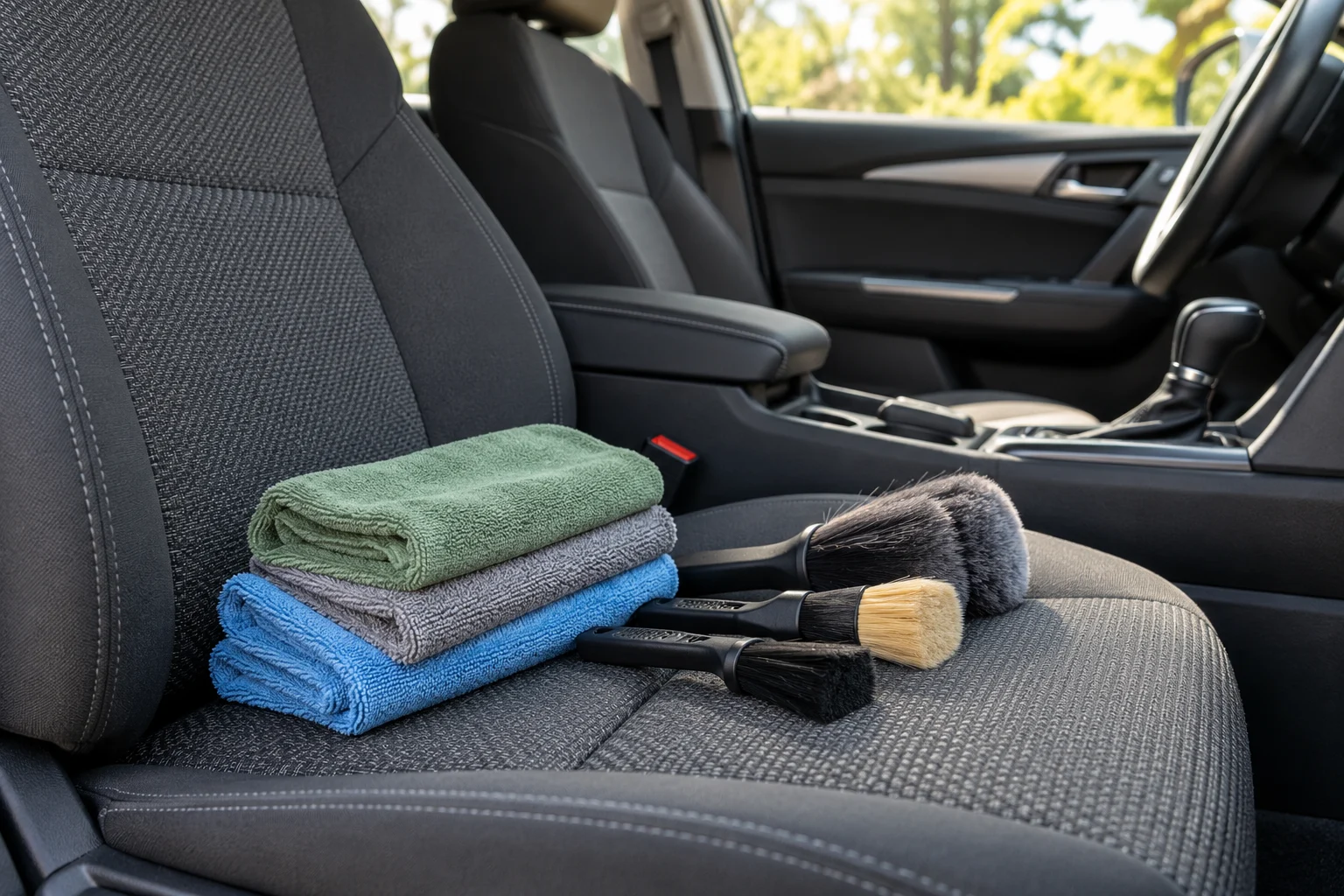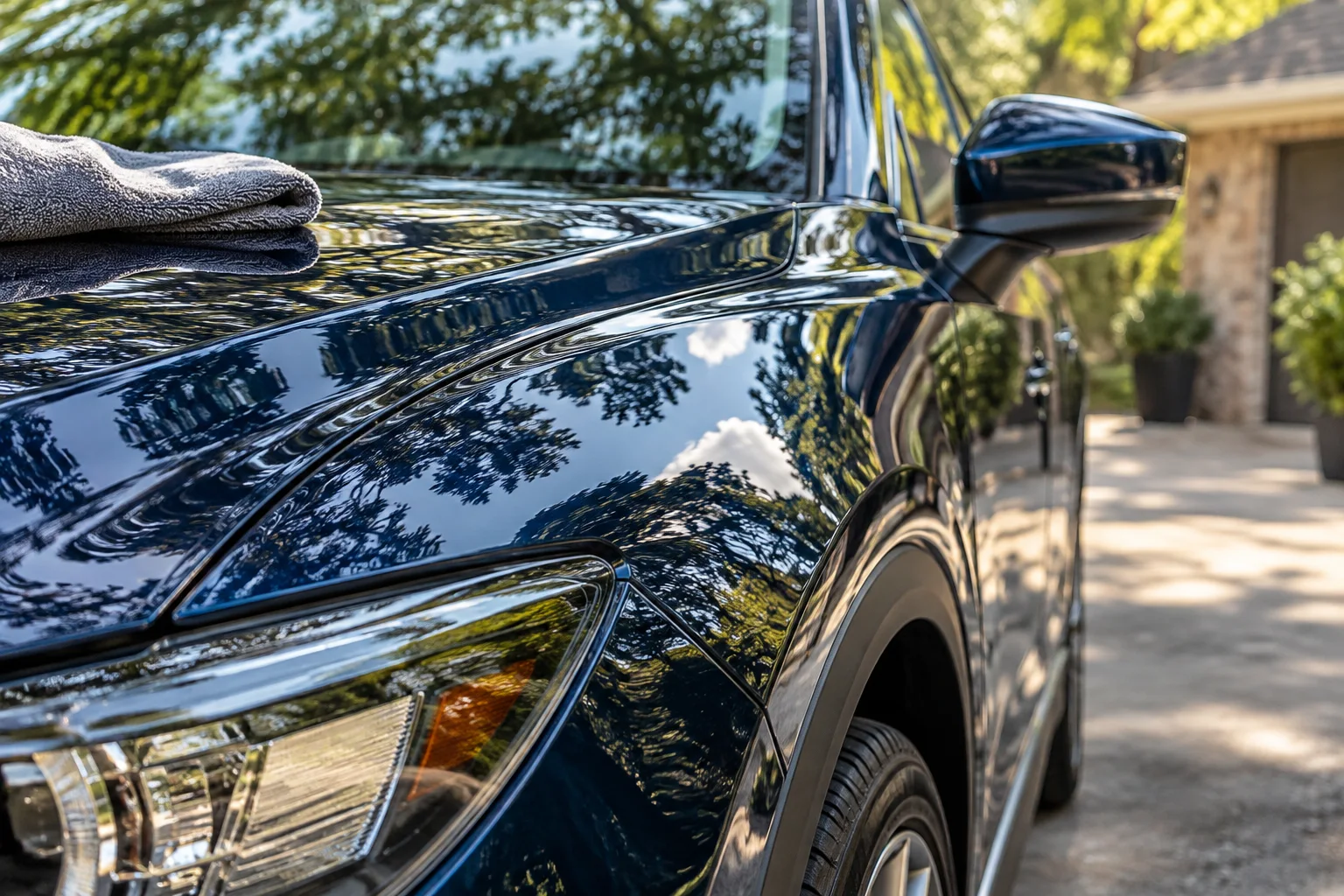
Preparing a vehicle for sale can make familiar details suddenly visible. The cup holder you stopped noticing looks untidy in a photograph. A child's sticker remains on the rear window. The boot contains things that have travelled with you for years but have nothing to do with the next owner. A considered refresh helps you present the vehicle clearly and makes viewings more pleasant.
The purpose is honest presentation. Cleaning can reveal the actual condition and make the car easier to inspect; it should not be used to disguise unresolved problems. Start with a realistic plan for the sale, choose the work that improves clarity and comfort, and leave enough time to review the result before taking photographs or arranging visitors.
Decide what kind of sale you are preparing for
A private listing, a trade-in appointment and a vehicle being passed to a family member can call for different preparation. The right amount of detailing depends on the vehicle's condition, your schedule and what you want the next person to experience. There is no universal package that every seller should buy.
For a private listing, photographs and an accessible interior may be major priorities. For a trade-in, you may prefer a straightforward clean that lets the vehicle's condition be seen without committing to extensive cosmetic work. For a family handover, comfort and removing personal items may matter most.
Write the purpose at the top of your preparation list. This keeps the project from expanding every time you notice another small imperfection. You are preparing a used vehicle for its next stage, not necessarily restoring it to the condition of the day you bought it.
Look at the vehicle as a visitor would
Walk around the car in daylight, then sit in each seating position while it is parked. Open the boot and the storage areas a prospective owner is likely to see. Note what is dirty, what is cluttered and what is physically worn or damaged.
Keep those categories separate. A dusty dashboard may be straightforward cleaning work. A torn seat edge is a repair question. A recurring wet patch is a concern to investigate rather than simply an unattractive stain. This distinction helps you request appropriate help and describe the vehicle honestly.
Take a small set of preparation photographs for yourself. These need not be listing photographs. Their job is to record the areas you want addressed and support a useful detailing request. They also give you a way to compare the result without relying on the general feeling that the car looks better.
Remove the household from the car
Personal belongings distract from the vehicle and make cleaning more difficult. Empty door pockets, the console, seat-back pockets and the cargo area. Sort items into what you are keeping, what belongs with the vehicle and what should be discarded or handled separately.
Be especially careful with documents, keys, access cards and devices. The detailer should not be responsible for deciding what matters to you. Keep important paperwork somewhere secure and organise any vehicle records independently from the cleaning appointment.
A car can also contain personal settings and connected devices. Review the relevant manufacturer instructions for transferring ownership and managing your information. Cosmetic cleaning does not perform those steps. Keeping a separate handover list prevents a tidy interior from creating the false impression that every part of the sale preparation has already been completed.
Choose the most useful cleaning priorities
Start with the places a viewer will encounter directly: the driver's seat, passenger seating, controls, glass and cargo area. Ask what the provider's available service includes and identify any areas that need extra attention. A package name alone may not explain whether compartments, mats or specific stains are covered.
Toyota Canada's interior-care guidance places the owner's manual first when selecting appropriate cleaning methods. That is a useful principle for a sale refresh as well. The desire to improve appearance quickly does not justify experimenting with a strong household product on an unfamiliar material.
Our interior cleaning levels guide can help you decide whether a routine refresh is enough or whether textile work deserves separate attention. Spend according to the visible condition and the intended result, rather than assuming that the most extensive option will automatically be the most sensible preparation for sale.
Address odours without concealing them
An odour can make a viewing uncomfortable and raise questions. Tell the provider what you notice, where it seems strongest and whether you know its history. If there was a spill, pet accident or period of dampness, explain that before the appointment.
Ask whether the concern is within the provider's scope and what remains uncertain. Some situations may require another assessment before cosmetic work is useful. Avoid asking for a strong fragrance merely to make the problem less noticeable during a viewing. It leaves the underlying question unanswered and does not support a clear handover.
If cleaning is undertaken, allow time to assess the vehicle after drying and normal closed-up parking. A same-day impression may not tell you how the cabin will feel later. Describe any unresolved concern accurately to a prospective owner and obtain appropriate advice about the sale process where needed.
Decide how to handle visible wear
Once the car is clean, ordinary wear may stand out more clearly. That can be helpful. You can distinguish a stain that improved from a scuff or damaged section that remains. Ask the detailer to explain any areas where cleaning has reached its sensible limit.
Decide whether a repair assessment is worth pursuing. A small cosmetic defect may be acceptable for the vehicle's age and intended sale, while a more significant issue may deserve separate attention. The choice should reflect the actual problem and your priorities, not a general belief that a used car must appear flawless.
Keep photographs of remaining defects for your own records and for honest presentation when appropriate. A clear image often communicates condition better than a vague adjective. You do not need to dramatise every minor mark, but neither should photographs be arranged to make a known concern disappear from view.
Be selective about exterior enhancement
A wash and suitable finishing work can help show the vehicle's exterior clearly. More involved correction is a separate decision. Ask what improvement is realistic, what the work includes and whether the provider recommends assessment by a repair specialist for particular defects.
Do not assume a wax or other protection product will remove scratches. Meguiar's describes its ScratchX product specifically for minor marks on glossy paint, which illustrates how narrow a product's intended use can be. A broad exterior refresh and a targeted defect treatment are different scopes.
If you are considering extra appearance work solely to increase the selling price, be cautious about guaranteed returns. You can evaluate the immediate benefit of a cleaner, more presentable car. Predicting exactly what a buyer will pay is another matter. Choose work whose cost and purpose remain reasonable even if the final sale price is influenced by many other factors.
Schedule photography after the vehicle is ready
Take listing photographs after cleaning and any required drying are complete. This lets you show the actual condition without damp seats, scattered accessories or unfinished work. Choose a time when you can take the photographs calmly rather than rushing between the detailer's departure and a buyer's arrival.
Use consistent, ordinary views that show the whole vehicle as well as important interior areas. Include the boot and seating layout if they matter to the vehicle's use. The objective is to help a viewer understand what they are considering, not to create an image that looks like a different car.
Keep the background uncluttered where practical and avoid leaving personal information in the frame. Review each image before publishing it. A clean cabin can still contain a document on the dashboard or a screen displaying a private detail. That review is separate from detailing and remains part of your own preparation.
Leave time between cleaning and viewings
A buffer in the schedule gives you a chance to inspect the result, follow aftercare and deal with any remaining question. It also reduces pressure to accept a wet interior or incomplete understanding because someone is already on the way to see the vehicle.
Tell the detailer when the first viewing or trade-in appointment is planned. Ask when the car can be comfortably used and presented, especially if the scope includes wet cleaning. The estimated service duration does not automatically answer that question.
If your timetable is tight, discuss a smaller scope that can realistically fit. A focused, well-executed refresh may be better than an ambitious appointment whose aftercare conflicts with the sale schedule. The provider can only advise on that trade-off if they know the deadline before work begins.
Keep mechanical questions separate
A detailed vehicle may feel newly reassuring, but cosmetic work does not establish its mechanical condition. Organise servicing, inspections and any known concerns through the appropriate channels. Do not describe detailing as proof that the vehicle has been mechanically checked.
If the provider notices an issue, record the observation and seek suitable assessment when needed. Their comment may be useful without becoming a diagnosis. A clean surface can make an existing problem easier to see; that does not mean the cleaning created it or resolved it.
Maintain separate records for the cleaning work and other vehicle work. This helps you explain what was actually done. A buyer or recipient benefits from accurate information, and you benefit from not having to reconstruct the preparation process from a series of vague memories and informal conversations.
Prepare a calm viewing environment
Once the vehicle is ready, avoid refilling it with the belongings you removed. Keep only items that appropriately remain with it and anything needed for your ongoing use before the sale. This makes it easier to keep the interior presentable between appointments.
Plan where the vehicle can be viewed with suitable access. The visitor should be able to see the areas you intend to show without you moving a pile of household storage each time a door opens. Good preparation reduces awkwardness and lets the discussion focus on the vehicle itself.
Have your condition notes and relevant records organised separately. You do not need a theatrical presentation. A clean vehicle, clear photographs and straightforward answers make a more useful impression than a heavily scented cabin and a promise that everything is perfect because it was recently detailed.
Review the detail against the agreed scope
At handover, revisit the priorities you set before booking. Look at the seating, glass, mats and cargo area, and ask about remaining stains or wear. Confirm which surfaces were treated and whether any aftercare affects washing, parking or use before the sale.
Raise specific concerns while the provider can respond. If a storage area was agreed but appears overlooked, identify it. If a permanent mark remains, ask for an explanation rather than assuming another pass will fix it. The agreement should provide a fair reference for both sides.
Keep the receipt or scope record with your preparation notes. It can be useful to remember what the service included, but do not embellish it into a broader restoration claim. Accurate wording protects the integrity of the work and makes your presentation easier to trust.
Avoid doing the same work twice
Coordinate the order of any other preparation. If a repair appointment will leave dust in the cabin or require access beneath trim, ask whether it should happen before the final detail. If accessories are being removed, arrange that before the photographs so the images show the vehicle as it will actually be offered.
The same principle applies to household logistics. Do not schedule the final interior refresh immediately before using the car to move garden supplies unless you are comfortable cleaning again. You may still need the vehicle for ordinary life during the sale, but a little planning can reduce unnecessary repetition.
Keep a short remaining-work list after each step. Mark the cleaning complete only after reviewing it, then move on to photography and viewing preparation. A clear sequence helps you finish the project without repeatedly noticing the same unresolved task and wondering whether somebody else has handled it.
Make the final handover a separate task
When a sale or transfer is arranged, return to the vehicle once more. Check that all your belongings are removed and that the items intended to accompany the car are present. Follow the manufacturer's ownership-transfer guidance for settings and connected services, and handle the required sale documentation through the appropriate process.
The first mobile detailing guide can help you organise the cleaning appointment beforehand. For current availability, see Cody Mobile auto detailing. Booking is available in Ottawa and the surrounding service area; other areas are on the waitlist.
A good refresh does not need to transform the car into something it is not. It should make the vehicle easier to see, more comfortable to inspect and ready for an honest conversation about its condition. That is a worthwhile result whether the next owner is a stranger responding to a listing or someone who has known the car for years.