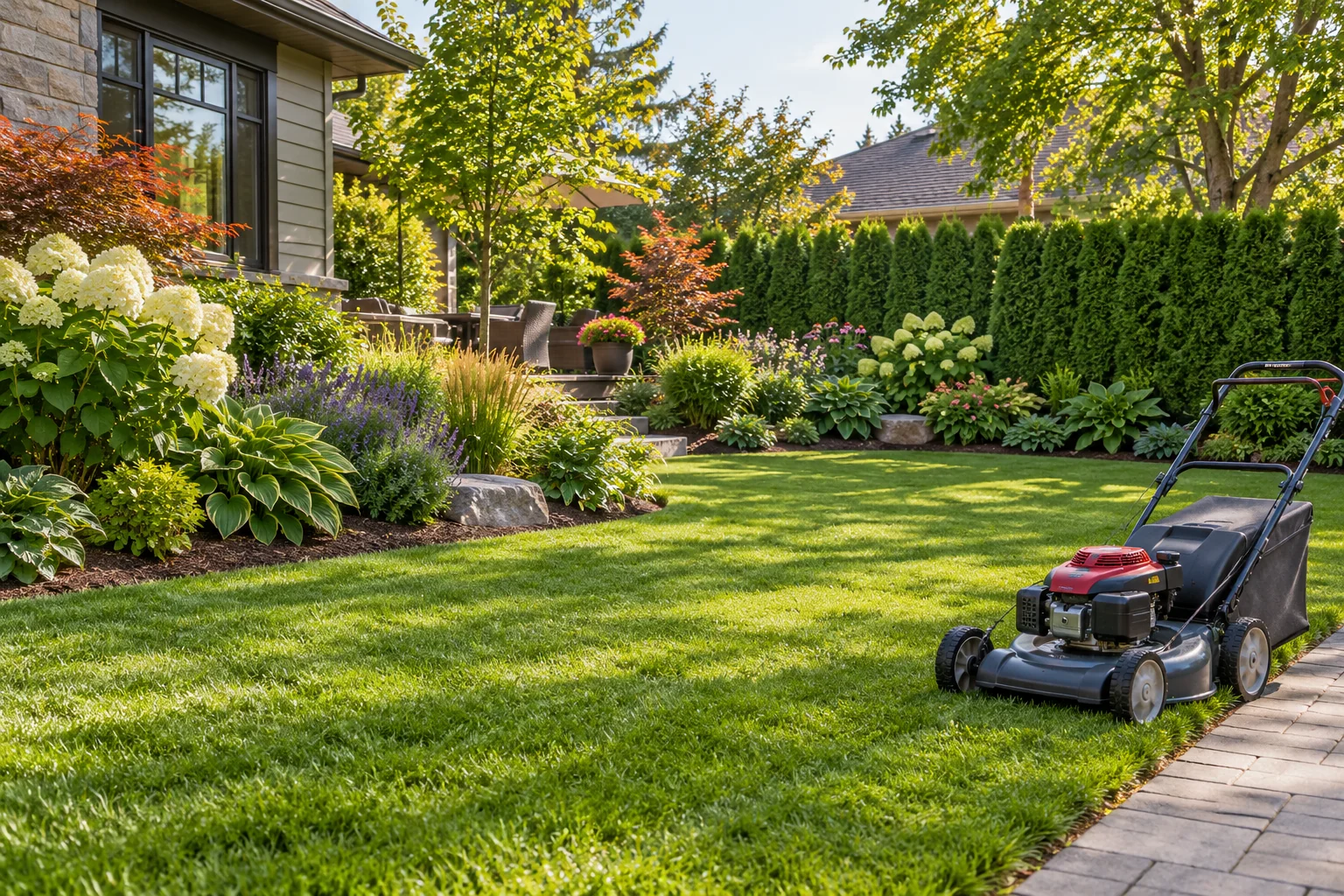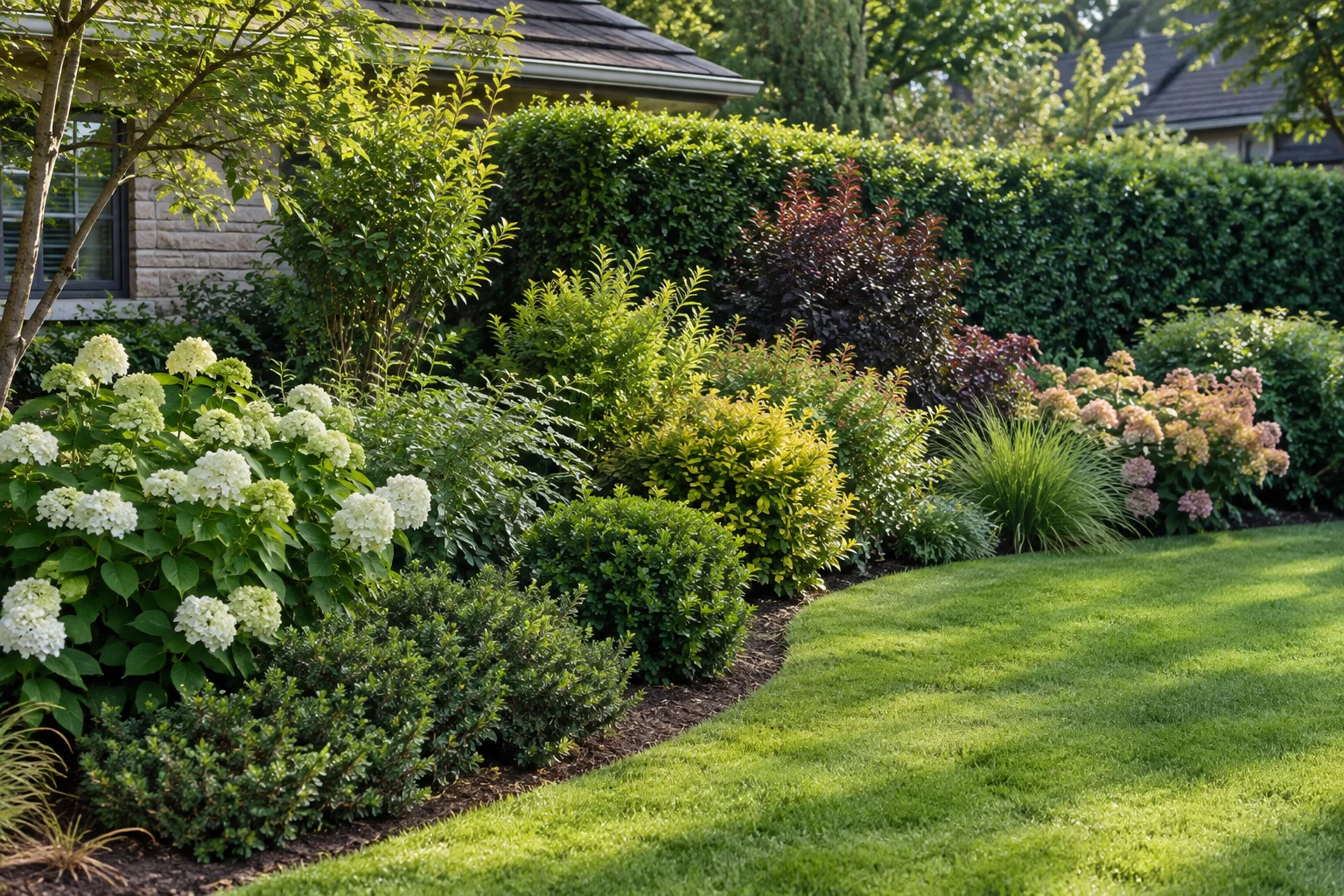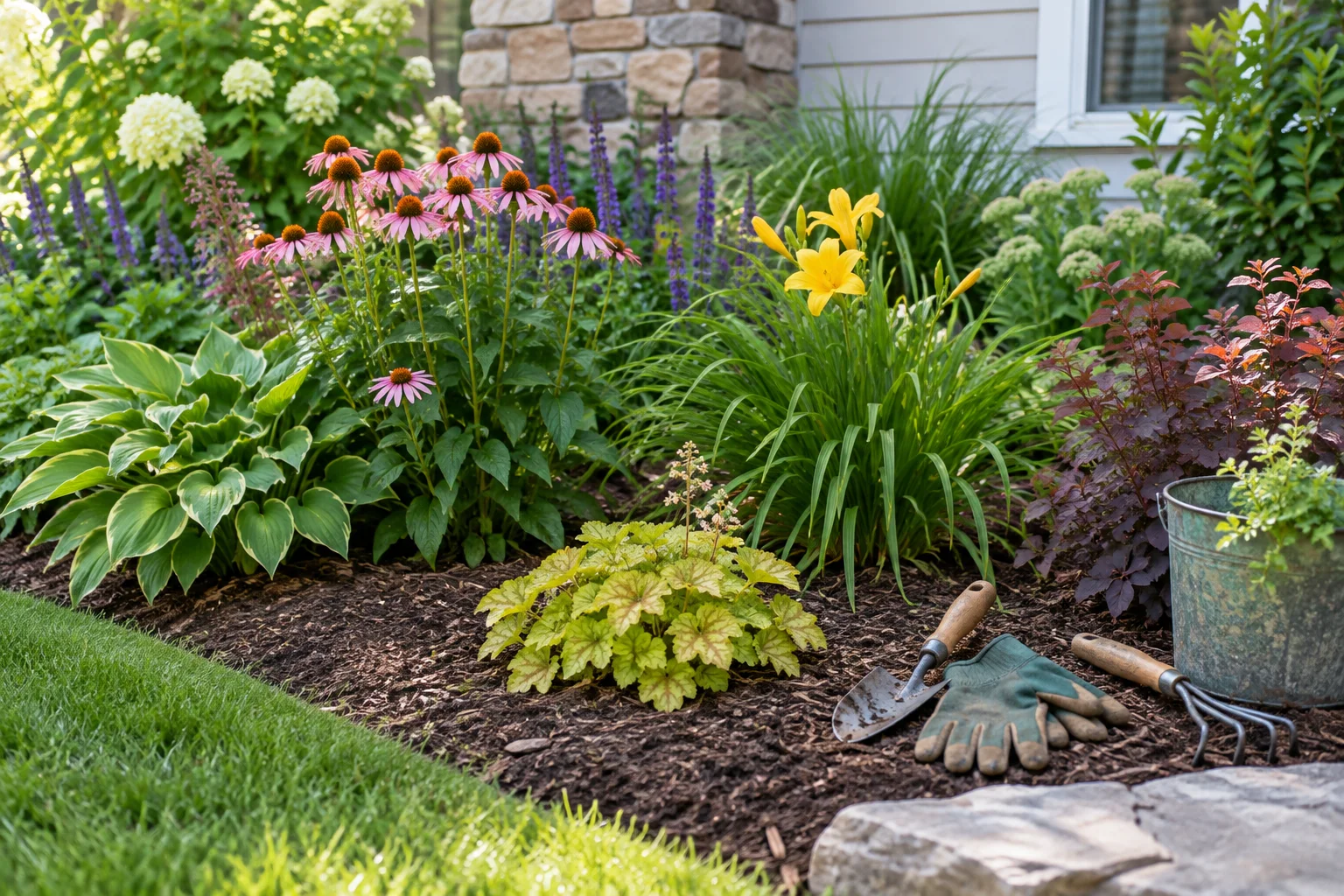
A garden makeover becomes easier to plan when you can explain what needs to change and what should remain. You do not need to arrive with a finished design. You do need a clear account of how the space is used, which problems matter most and what level of work you are ready to take on.
A useful brief connects the practical and visual parts of the project. It helps a designer, gardener or landscape contractor understand the same goal, and it gives you a fair basis for comparing proposals. This guide shows how to build that brief without prescribing every detail before the site has been assessed.
Begin with the reason for the makeover
Describe the problem in ordinary language. Perhaps the entrance feels crowded, a bed has become difficult to maintain or the backyard no longer suits the household. The reason matters because two gardens with similar appearances can need very different changes. One may need careful editing; another may need a new layout.
Write down what prompted the decision now. A move, changing mobility, a new use for the yard or a long-standing maintenance burden can all shape priorities. This context helps the provider distinguish an urgent functional need from a visual preference that could be addressed in a later phase.
Try to finish the sentence, “The project will be successful if we can…” Then describe an activity or experience: walk comfortably to the door, maintain the beds without stepping into them, enjoy a view from the kitchen or spend less time trimming awkward edges. These outcomes make a design easier to evaluate.
Record what already works
A makeover does not have to begin with removing everything. List the plants, views, routes and features you value. Include sentimental items and anything with a history that would not be obvious to someone visiting for the first time. A small inherited perennial may matter more to you than a large decorative shrub.
Photograph the garden at its best if you have seasonal images. A site visit in early spring may not reveal the flowers or foliage you enjoy later. Existing photographs can prevent worthwhile plants from being judged only by their dormant appearance. Label uncertain locations and ask for identification before removal decisions.
Also record practical successes. Perhaps the current path is perfectly placed, water access is convenient or a hedge provides useful screening. Keeping those strengths can reduce disruption and help direct the budget towards the parts that genuinely need attention.
Separate needs from preferences
Create a short list of requirements that the project must satisfy. These might include a clear accessible route, space for bin movement, retention of a particular plant or a manageable ongoing care routine. Requirements should be specific enough that you can check whether a proposal meets them.
Then list preferences: colours, materials, planting style, seasonal interest and the atmosphere you want. Preferences matter, but they can be balanced against site conditions and cost. Distinguishing them from requirements makes it easier to make a sensible compromise without feeling that the project has lost its purpose.
A third list can hold ideas you are curious about but have not decided on. This keeps an inspiration image from becoming an accidental instruction. Tell the provider whether you are asking for evaluation, pricing or actual inclusion. The same photograph can mean very different things without that explanation.
Explain how the household uses the space
Describe daily and occasional activities. Include dining, play, pets, gardening, storage and movement between doors or outbuildings. Think about the busiest moment: several people carrying food to the patio, children moving between play areas or someone bringing bins through a side gate.
Note routes that people take even when they are not part of the formal layout. A worn shortcut may indicate that the current arrangement ignores a real need. A new bed placed across that route could create frustration unless the makeover provides an equally practical alternative.
Discuss likely changes without demanding that the garden predict every future possibility. If you expect less time for maintenance or a greater need for comfortable access, say so. A flexible layout may be more useful than a highly specialised arrangement that suits only this season’s habits.
Collect observations about the site
Record sunlight, shade, wind exposure and visible water movement. Include areas that remain damp or dry differently from the rest of the garden. These observations help a professional ask better questions. They are not a substitute for technical assessment where the project involves drainage, structures or substantial ground changes.
University of Minnesota’s Plant Elements of Design resource emphasises matching plant needs to site conditions. In your brief, that means providing enough information for a suitable plant palette rather than selecting everything from appearance alone. Regional resources should inform questions, while local suitability remains part of the final selection.
Note known utilities, irrigation, lighting and service access. Identify boundaries accurately where work approaches neighbouring property or public land. If excavation or changes to structures are proposed, the appropriate locating, permit and assessment processes should be discussed before work is scheduled. Do not rely on an informal sketch as a legal boundary record.
Use photographs with a purpose
Take wide images from the main viewing points and closer images of specific problems. Include access routes, gates and delivery areas. A photograph of the attractive centre of the garden may hide the narrow passage through which every plant and bag of material must travel.
Label images with simple notes: keep this shrub, improve this route, uncertain plant here, or view from the living room. The labels help the provider understand why the image matters. A large uncaptioned collection can create more ambiguity than a small set of carefully chosen photographs.
For inspiration images, describe the feature you like. It might be the repeated planting, soft colour palette or uncluttered edge rather than the exact plants or expensive paving. This avoids accidental assumptions and gives the designer room to create something appropriate to your property and budget.
Define the maintenance you will accept
Explain who will look after the garden and which tasks they can realistically perform. Include watering, weeding, pruning, dividing plants, seasonal tidying and material handling. If some tasks will be hired out, say so and allow for them in the ongoing budget.
Ask the provider to describe both establishment care and the later routine. A newly planted garden may require attention that differs from its eventual maintenance pattern. If you will be away after installation, make that part of the scheduling conversation rather than a detail discovered at handover.
Avoid relying on phrases such as no maintenance or self-sufficient. They are difficult to verify and can conceal important assumptions. A better requirement is a manageable set of named tasks with clear access, plant identification and a realistic way to obtain help when needed.
Set a budget conversation that permits choices
You do not need to know the final cost before asking for advice, but you should explain the financial boundary you want to work within. A provider can then suggest an appropriate scale or phased approach. Without that information, you may receive an attractive concept that cannot realistically be built.
Separate the installation budget from future care and from any contingency for unknown conditions. Ask how design, preparation, plants, materials, labour and removal are represented in the proposal. The purpose is to understand what you are purchasing, not to force every provider into an identical accounting format.
If the scope exceeds the budget, ask which changes preserve the main outcome. Reducing the project area or phasing installation may be better than selecting unsuitable plants or omitting necessary preparation. Keep the original success statement visible while considering alternatives so the compromise remains connected to your goal.
Decide what expertise the project requires
A planting refresh, a drainage redesign and a retaining-wall project are not interchangeable services. List the elements involved and ask who is qualified to assess and perform each one. The lead provider should explain any specialist work rather than treating every outdoor task as part of a general garden makeover.
If a significant tree is involved, ask whether an arborist’s assessment should happen before nearby excavation or layout decisions. If the project changes levels or affects water movement, clarify the appropriate technical advice. These decisions can influence the planting plan, so they should occur before materials are ordered.
You can keep the first phase modest while larger questions are resolved. For example, a clearly defined bed refresh may proceed separately from a future hardscape project if doing so will not create rework. Ask about dependencies so one apparently simple improvement does not obstruct the next stage.
Specify what the proposal should show
Request a plan that is detailed enough for the scale of the work. A small refresh may need a marked photograph and a plant list. A larger redesign may need measured drawings, material specifications and more formal documentation. The useful level of detail is the one that makes decisions and responsibilities clear.
For planting, ask for identifiable names, quantities and expected mature sizes. For materials, request enough description to avoid ambiguous substitutions. Ask how existing plants, soil and surface material will be handled. A beautiful drawing can still leave important construction and maintenance questions unanswered.
Confirm the approval process. Which decisions need your response before ordering? What happens if a selected plant is unavailable? Who checks that a substitute fits the intended conditions and dimensions? An agreed process prevents a last-minute availability issue from silently changing the character or maintenance needs of the garden.
Plan the work sequence and household disruption
Ask how the project will unfold from preparation to handover. Identify periods when paths, parking or parts of the yard may be unavailable. If a particular entrance must stay usable, put that requirement in the brief. A small garden project can still disrupt daily routines if all material is staged in the wrong place.
Discuss deliveries and temporary storage. Where can soil, plants and materials wait? Who is responsible for protecting them before installation? How will waste leave the property? Access restrictions can affect labour and scheduling, so show them early rather than treating them as minor details.
If work is phased, ask what each completed stage will look like. An unfinished area should be left in a condition you understand and can manage. The pause between phases may last longer than expected, so temporary arrangements deserve the same practical thought as the final design.
Put changes into a simple written process
Unexpected conditions can arise during preparation. The brief should explain how they will be documented and how changes will be approved before extra work proceeds. A photograph, short explanation and revised cost or timing may be enough for a modest project. The process should match the job’s scale.
Distinguish necessary changes from optional improvements. Discovering an obstruction is different from deciding that an additional planting area would look nice. Both may deserve discussion, but neither should automatically expand the agreed scope. Keeping the categories clear helps preserve the budget and prevents rushed decisions.
Save the approved version of the plan and note later revisions. You do not need an elaborate filing system. One folder containing the brief, proposal, plant list and key messages can prevent confusion when several conversations happen over a number of weeks.
Review the garden with the brief in hand
At handover, walk the routes and view the garden from the positions that mattered at the start. Check that retained features remain, agreed plants and materials are present and any substitutions are documented. Review practical access before focusing only on the planting’s immediate appearance.
Ask for a demonstration of any care checks you are expected to perform. Confirm watering responsibilities, follow-up arrangements and how to report concerns. Record unfinished items separately from normal establishment expectations. A garden left with room for growth is different from a task that was omitted.
Keep a short first-season review date in your own calendar. Note how the space functions, not just how it flowers. Are paths comfortable? Is care manageable? Does the main view feel improved? Those observations help you decide whether the project met its purpose and what a later phase should change.
Ask the household to review the finished routes together. Someone who did not attend the planning meetings may notice an everyday use that was missed, such as carrying laundry or moving a bicycle. Record that feedback before committing to a later phase of the same design.
Keep the brief concise enough to use
The final brief can be a few organised pages rather than a large dossier. Include your success statement, requirements, preferences, site observations, photographs, budget boundary and maintenance expectations. The detail should help decisions, not bury the important information beneath every garden idea you have ever considered.
For a broader starting point, read planning your lawn and garden care. If recurring lawn care is part of the redesign, the mowing schedule guide can help you describe access and finishing needs consistently across providers.
Cody Mobile’s lawn and garden care division is planned and is not yet operating. Homeowners can join the waitlist while local partners are recruited. A clear makeover brief will remain useful whether you begin with a small change now or wait until the full project is ready.